Setting Two on the Fan
Evenings in the flat follow a sequence I did not design but now treat as ceremony: shoes off, mail glanced at without opening, kettle filled, fan switched to setting two. Setting one barely disturbs the air; setting three sounds like a small aircraft negotiating the room. Two is the compromise the machine and I reached years ago, unspoken.
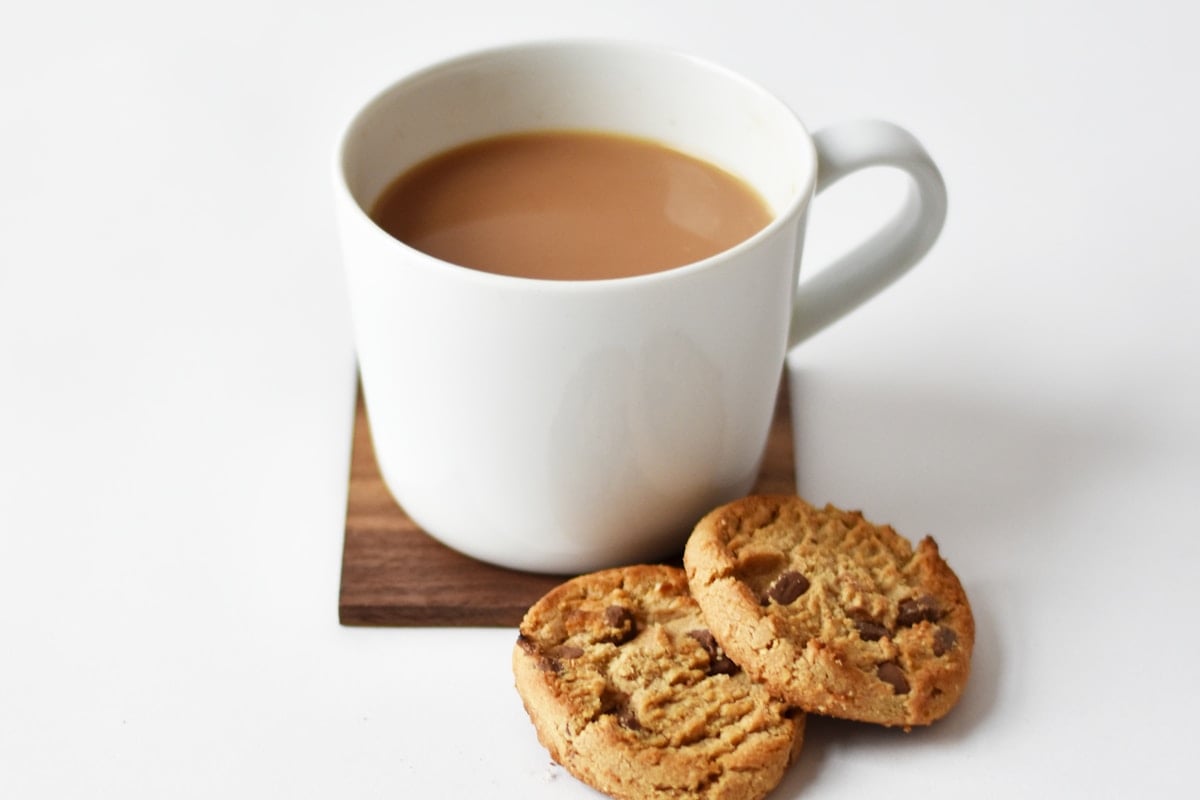
The kitchen table faces the window that looks towards the corridor gap between blocks, where neighbours sometimes hang laundry late and the fabrics move like slow flags. I boil water for tea — always the same tin, always steeped one minute longer than recommended — and open the notebook to the day's page, which may stay blank without guilt. Not every evening produces language. Some produce only steam.
Steam is underrated as subject matter. It rises, thins, disappears — a paragraph written in water. I watch it while the fan pushes warm air along the ceiling and back down, the circuit that keeps this room livable without air-conditioning on mild nights. Singapore teaches you to manage airflow the way colder places manage radiators: by feel, by habit, by small adjustments repeated until muscle memory replaces measurement.
I think about the bus ride I took earlier, the market lane, the coffee shop dawn — notes that belong to daylight. Evening notes are shorter, closer to the skin. They mention kettles, fans, the click of the fridge cycling on. If daylight writing looks outward, evening writing checks whether the inward room still holds.
Sometimes I read an old entry aloud to the empty chair across the table, not for madness but for rhythm. Spoken sentences reveal their faults faster than silent ones. I mark a comma where breath failed, cross out an adjective that flattered without informing. The fan keeps turning on setting two, indifferent to revision.
Outside, a motorcycle fades; inside, the tea cools to a temperature I prefer. The window remains open a finger's width because I like the faint smell of someone else's dinner drifting across the void deck — curry leaves, perhaps, or ginger — proof that I am not the only person ending a day with heat and scent.
When I write at night I avoid the Chin Swee memory unless it arrives on its own. It does not tonight. Tonight is for smaller certainties: water hot, fan steady, table clear enough for elbows. These certainties accumulate into a life the way sediment builds a shore — not dramatically, but with enough persistence to walk on.
Before bed I rinse the cup, close the notebook, leave the fan running ten minutes into darkness because the room holds heat longer than attention. Setting two. The flat settles. Pasir Ris murmurs beyond the glass. Another evening recorded, not because it demanded recording, but because I am a person who trusts the ordinary to matter if you give it a line and time to breathe.